
“Teams To Remember” follows iterations of Pittsburgh teams throughout the years, and what made the memorable, whether those reasons be good or bad. In today’s edition, the 2010 Pittsburgh Pirates.
After a 2009 season that saw the Pirates lose 99 games, fans knew they were in for yet another rough season in 2010.
The Pirates were too busy undergoing a rebuild to be worried about putting a competitive baseball team on the field (you see, things never actually change around here), and even as many in baseball had predicted the team to be bad, no one predicted the team to be this bad.
After all, on a team that featured not one but two McCutchens, how bad could it be?
The answer, is just about everything.
Before we dive into the actual season more, let’s take a peek at some of the overall stats from the team, if only to further underscore the struggles of this Bucco squad.
The Pirates were 29th out of 30 teams in batting average with an overall .242. They were 24th in total home runs with 126. They were 29th in runs batted in, with 570.
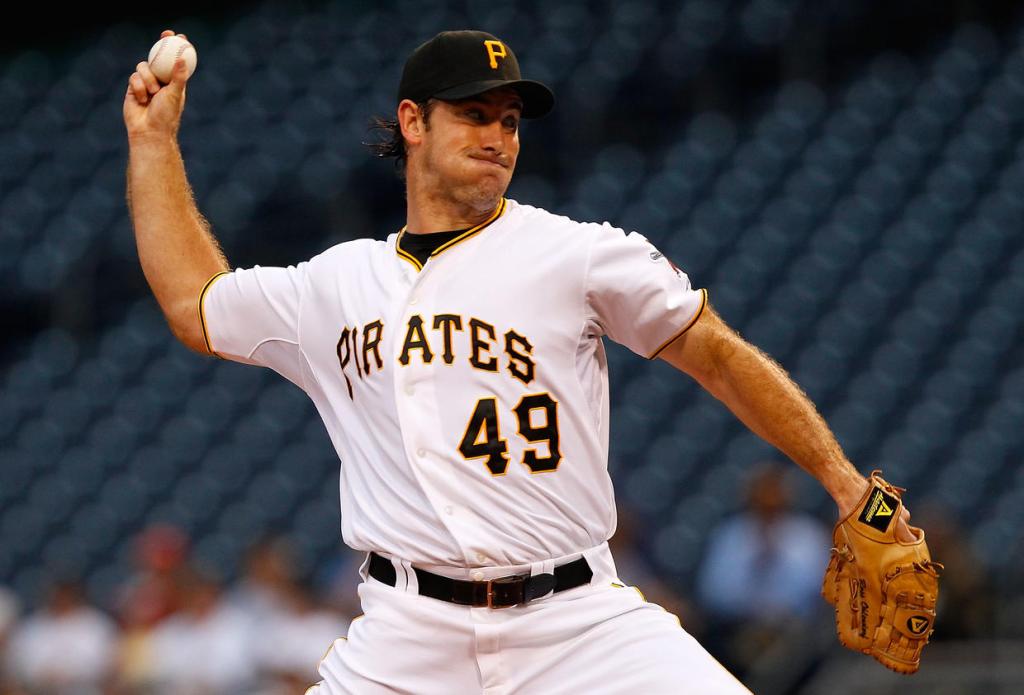
Now, to be fair to this team, they were pretty high in some other categories, like strikeouts, where Pittsburgh finished 9th in MLB with 1,207 total Ks.
No matter what way you spin it, this Pirates team was one of the worst all time, and for this franchise, that’s really saying something.
In terms of the lineup, however, the team did have a few solid players. Andrew McCutchen was in his sophomore year in the major leagues. Jose Tabata was also here, leading the team in batting average. A young Neil Walker and Pedro Alvarez were also already with the team.
While yes, the offensive aspect was not yet where you wanted it to be, the real thing that did this team in was pitching.
The lowest starting pitcher ERA on the team was Ross Ohlendorf’s 4.07. Four others had ERAs that hovered just around 5, and a 26 year old Charlie Morton got lit up almost every game he pitched, landing him with a team worst 7.57 ERA.
There were few Pittsburgh relievers who could come out of the bullpen and pitch decently; Evan Meek had a team-low 2.14 ERA, and Joel Hanrahan struck out 100.
That other McCutchen, by the way, Daniel, didn’t have a stellar season as many might have hoped. Appearing on the mound as a starter initially, McCutchen was converted to full-time bullpen guy by August of 2010. To Daniel’s credit, he performed much better in that role, but he still finished the year with a 6.12 ERA.
Overall, the Pirates pitching department was woefully outmatched on a regular basis.
Opening Day started with a bang; an explosive 11-5 win over the Los Angeles Dodgers at PNC Park, and the next day, Pittsburgh’s Ronny Cedeño delivered a 10th inning walkoff single to win it.
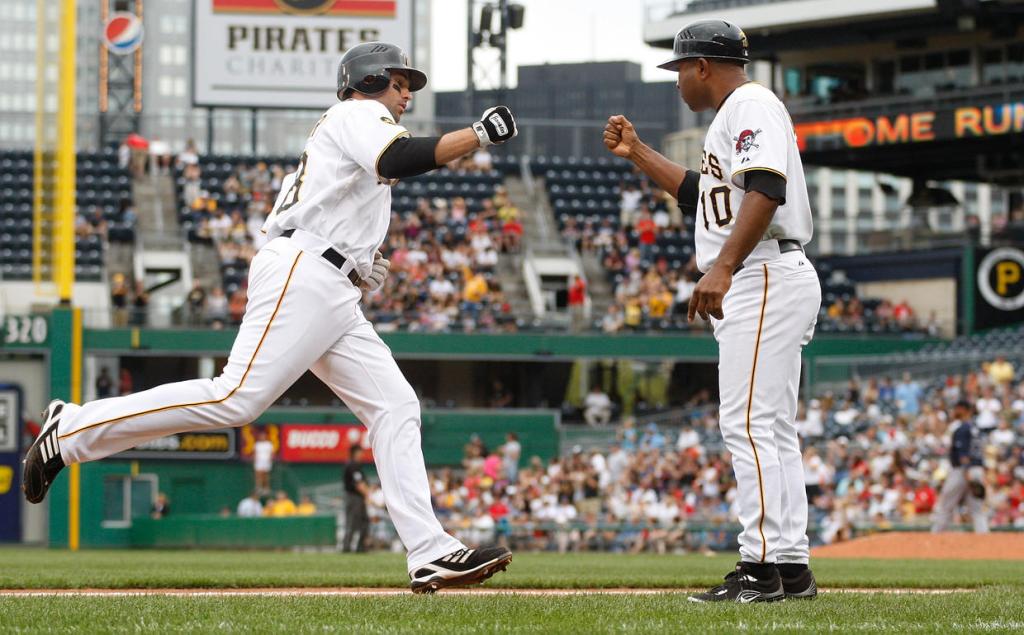
The Dodgers, however, would get their revenge in the series finale, annihilating the Bucs 10-2.
The following days would include some additional blowouts: 9-1 and 15-6 losses to Arizona.
It would become the theme of the season, and if you thought those losses were bad, you ain’t seen nothin’ yet!
Hosting Milwaukee, after 8-1 and 8-0 losses already in the series, the Pirates lost 20-0 to the Brewers.
Just a few days later, now visiting Milwaukee, the Pirates would lose 17-3.
But even with all of the embarrassing blowout losses, the Pirates ended April at 10-13, a respectable record for this ball club.
This, however, was probably the end when the term “respectable” could be used the describe anything about this team.
May featured a lot more losing, and even though the Pirates had been able to put a halt to the humiliating, double-digit loss kind of games, they still couldn’t string together many wins.
Several losing streaks had plummeted Pittsburgh to ten games under .500 by the time May came to a close. But whatever losing streaks May could offer had nothing on what June had in store.
The Pirates lost 12 straight games in June, and only saw 6 wins (out of 26 chances) the whole month. The horrid stretch saw the Pirates crawl into July with a record of 27-51.
Pittsburgh could only improve their June win total by 3 in July, and finish the month with an overall record of 36-67.
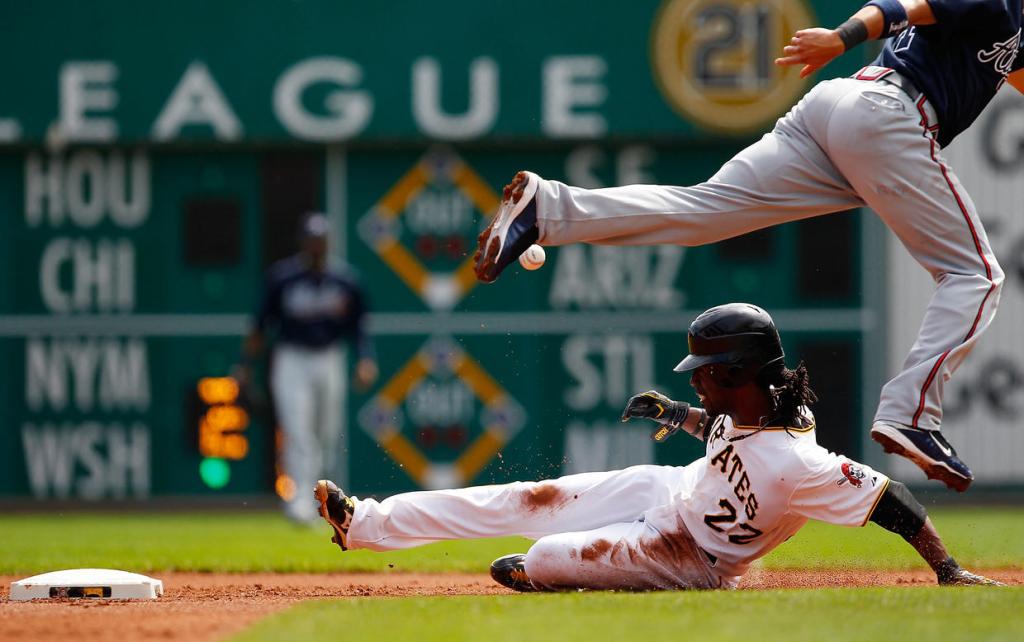
However, the Pirates were able to get a bit of revenge on their NL Central rivals up in Milwaukee. On July 21st, the Pirates beat the Brewers 15-3. It was the highest amount of runs the Pirates had scored all season.
As the trade deadline came in Major League Baseball, the Pirates, perhaps the most obvious sellers ever, moved out several players for the future.
Pitchers Octavio Dotel, Javier Lopez, and D.J. Carrasco, as well as infielder Bobby Crosby and outfielder Ryan Church all left the organization.
Pitcher James McDonald stayed the longest of the three returning players who had any big impact on the club. To finish out the season, McDonald made 11 starts on the mound in Pittsburgh, where became one of the better pitchers the Pirates had almost immediately.
He put up almost identical stats in 2011 and 2012, which were fine, nothing dominant, but fine, and was also with the team in 2013.
As the Pirates season dragged through August and September, predictably things didn’t get any better for Pittsburgh.
Early on in August, the Pirates experienced a rather scary incident, when Andrew McCutchen took an errant fastball to the neck in a game. McCutchen stayed down on the ground for several minutes as medical staff attended to him. He did eventually walk off under his own power, but was visibly shaken up.
August overall saw both a 7 game losing streak and a 5 game losing streak, and by the end of the month the Pirates had exactly twice the number of losses than they had wins, now standing at 44-88.
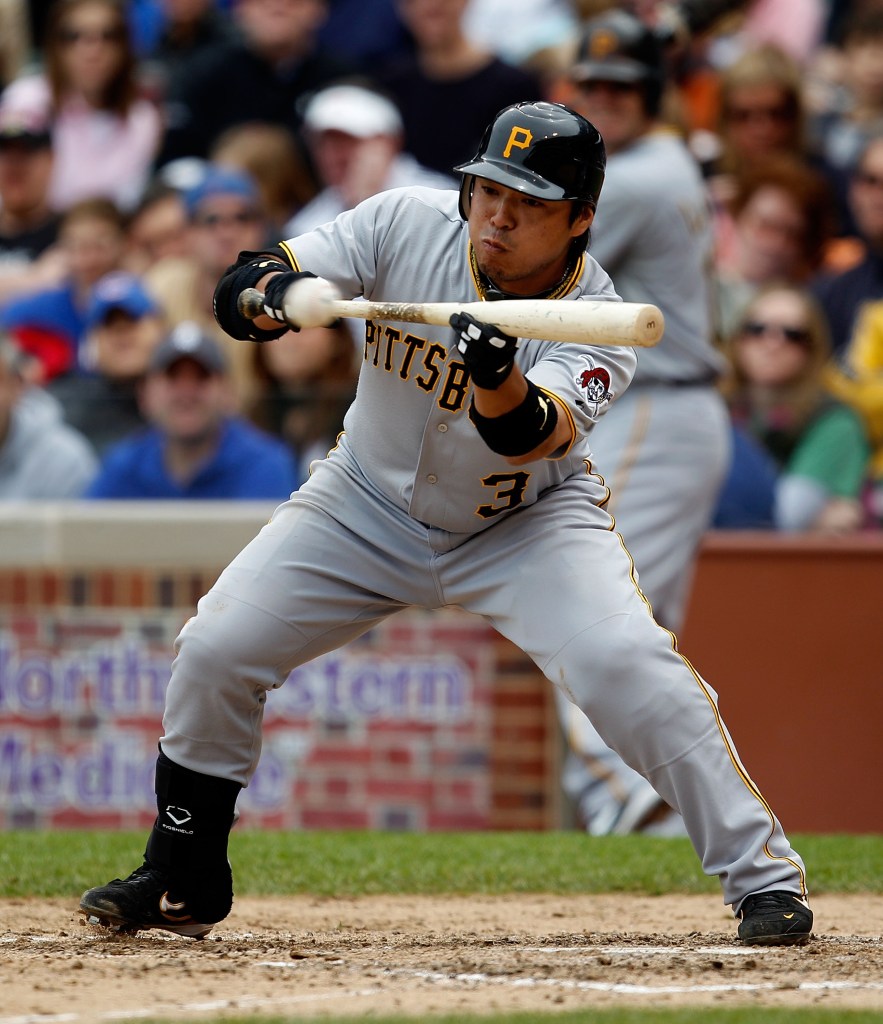
September was much the same, and saw the Pirates officially hit the 100 loss plateau on September 24th. Mercifully, the season would end just a week and a half later. In their final game of the season, the Bucs lost, and I’ll explain why that particular loss is important in a moment.
The Pirates ended the season with a 57-105 record, the absolute worst in Major League Baseball. They were routinely lit up on the scoresheet, and fielded one of the worst pitching staffs in the league.
Despite that, for a team with such a poor record, there were some notable offensive numbers to take a look at.
Left fielder Jose Tabata led the team with a .299 batting average, the highest he ever sported at the major league level.
Andrew McCutchen led the team in stolen bases with 33, good for 14th in the major leagues and the highest total he ever put up.
Garrett Jones, while leading the team in home runs (21), had among the lowest batting averages on the team (amongst regulars in the lineup). He was kind of the Jack Suwinski of the time, although Jones finished the 2010 season with a .247 average.
That 105th loss to end the season is what sets this team apart from two other Pirate teams in this franchise’s storied history. Both the 1953 Pirates and 1985 Pirates teams lost 104 games. By losing that final game, a 5-2 loss to the Florida Marlins, the 2010 Pirates etched their way into the wrong side of history.
That loss officially made the 2010 squad the third worst team in Pittsburgh Pirates history.
Only the 1952 Pittsburgh Pirates and 1890 Pittsburgh Alleghenys share more losses in a season. That 1952 team lost 112 games, while the 1890 Alleghenys beat them by just enough, losing 113 games.
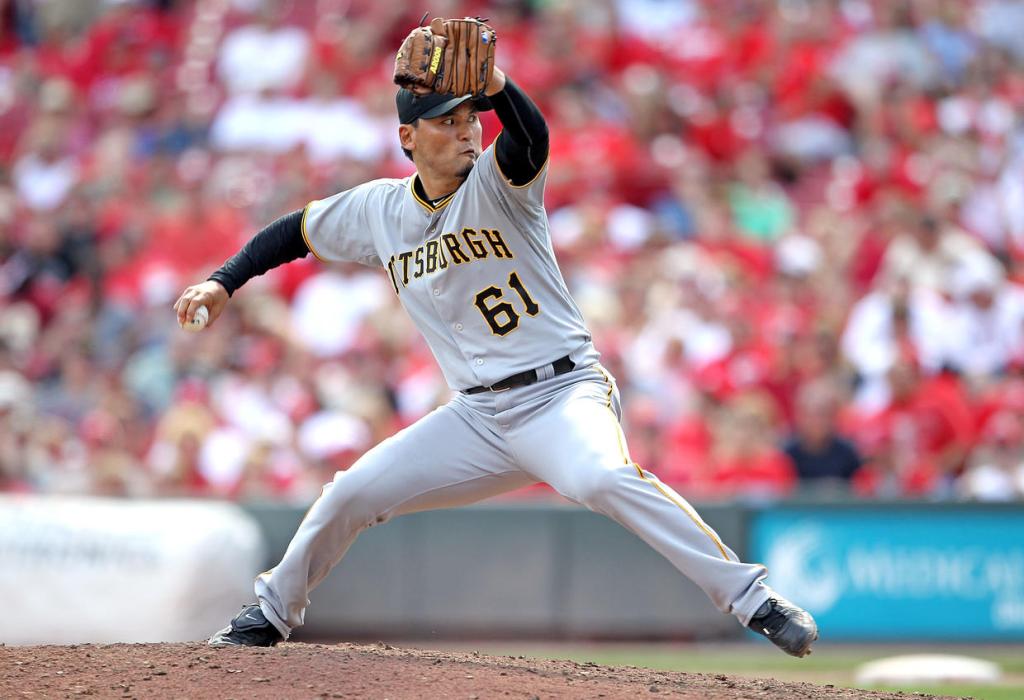
For the pain and suffering out of that 2010 season, however, the Pirates got something pretty good of it.
Holding the first overall pick in the 2011 MLB Draft, the Pirates selected starting pitcher Gerrit Cole, who would make his MLB debut midway through the 2013 season, the beginning of that magical three year run of relevance for Pittsburgh in the world of baseball.
After the 2010 season, the Pirates relieved manager John Russell of his duties, and brought in Clint Hurdle to take over the job.
The 2011 season would still see hardship, but not nearly as much as the 2010 season did. The Pirates improved by 15 wins the following season, and grew further finally towards a playoff berth in 2013.
(Featured photo by Jared Wicherham)


 Fifth Avenue Sports
Leave a comment